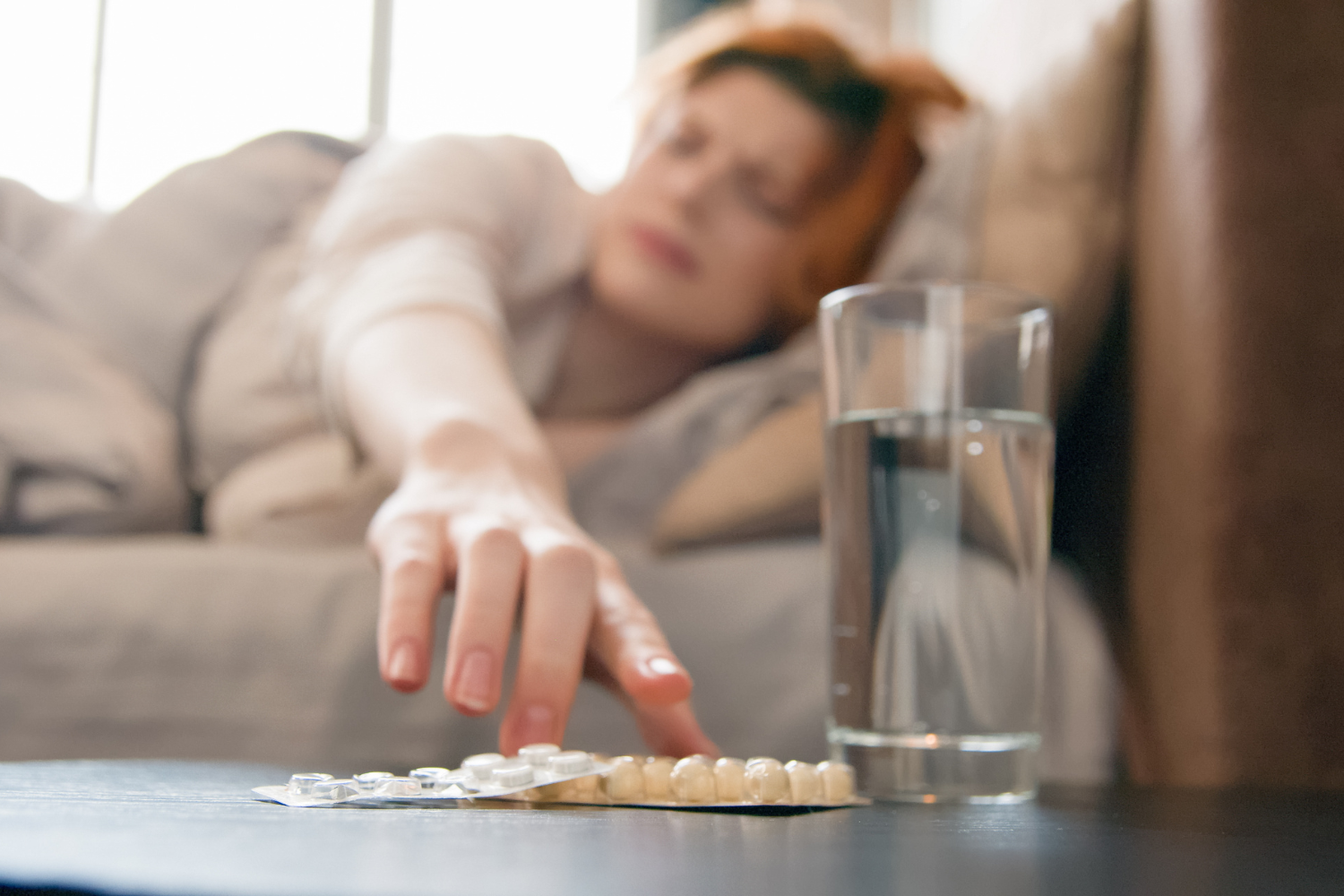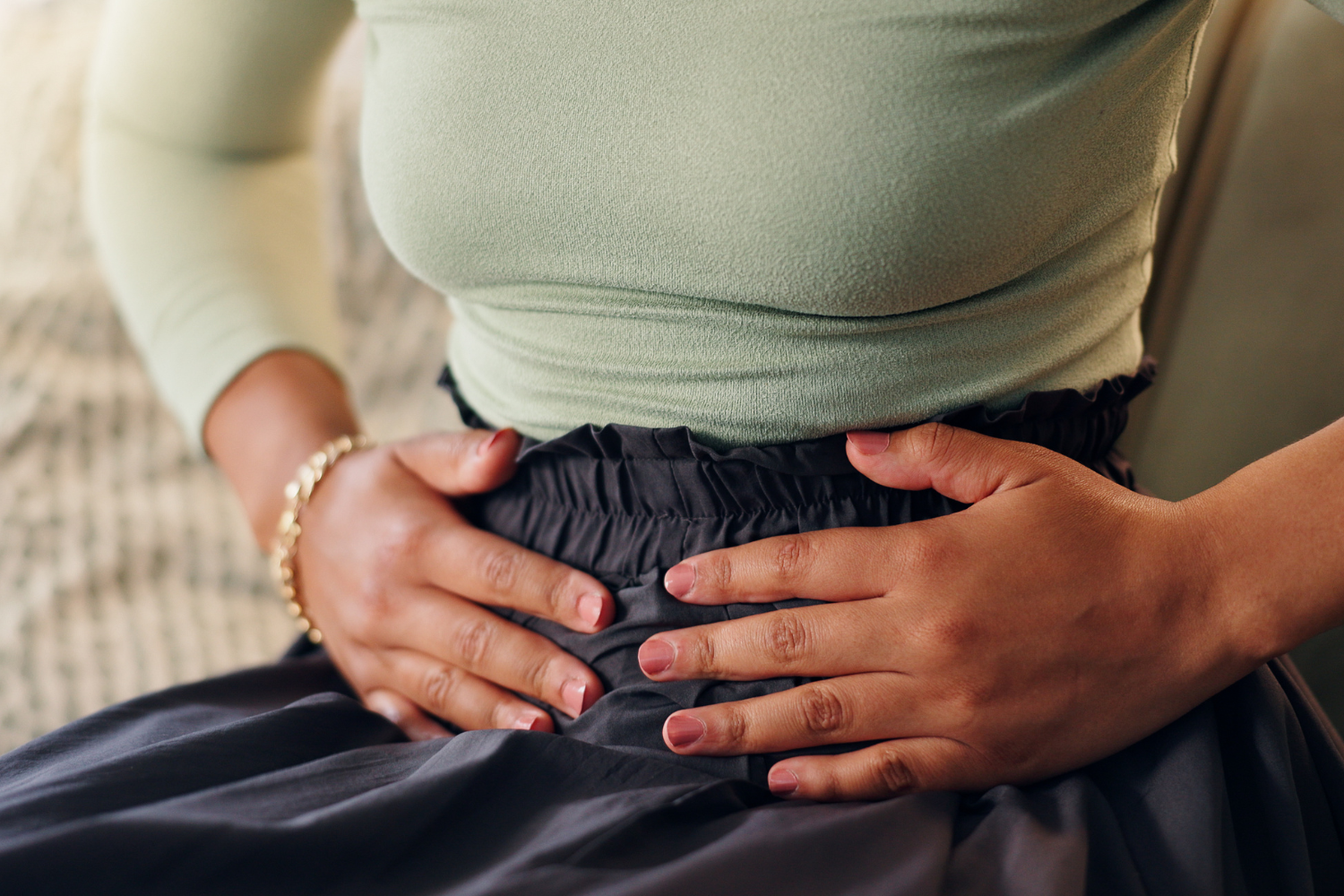
Perimenopause can feel like an unexpected storm. One moment your body seems familiar, and the next, it shifts in ways that are confusing, uncomfortable, and sometimes painful. For many women, perimenopause cramps become one of the most frustrating symptoms, showing up without warning and disrupting daily life.
At Lonerock Clinic, we often hear from women who feel caught off guard by these changes. They may have expected hot flashes or mood swings, but not the return or worsening of cramps. This can feel especially discouraging after years of predictable menstrual cycles.
The truth is, your body is not working against you. It is transitioning. Hormones fluctuate, cycles change, and symptoms like cramping can intensify or appear in new ways. Understanding why this happens is the first step toward relief.
With the right knowledge and support, including expert care from Lonerock Clinic, you can manage these symptoms and regain a sense of control. This guide explains the causes of perimenopause cramps and offers effective, actionable ways to find relief.
What Are Perimenopause Cramps
Perimenopause cramps are abdominal or pelvic pains that occur during the transitional phase before menopause. This stage can last several years and is marked by irregular hormone levels, especially estrogen and progesterone.
Unlike typical menstrual cramps experienced earlier in life, perimenopause cramps can be more unpredictable. They may occur with heavier periods, lighter cycles, or even between periods. Some women also report increased intensity or longer-lasting discomfort.
These cramps are often linked to changes in the uterine lining and how the body responds to hormonal shifts.
Causes of Perimenopause Cramps
Hormonal Fluctuations
The primary driver behind perimenopause cramps is the unpredictable fluctuation of hormones, particularly estrogen and progesterone. During this transitional phase, estrogen levels can rise sharply in one cycle and drop significantly in the next, while progesterone steadily declines. This hormonal instability disrupts the body’s usual rhythm and directly affects how the uterus behaves.
When estrogen levels are higher than progesterone, the uterine lining may become thicker than normal. This creates more tissue to shed during menstruation, which requires stronger uterine contractions. These intensified contractions are what lead to more noticeable and sometimes more painful cramping.
In addition, hormonal imbalances can heighten the body’s sensitivity to pain. This means that even normal uterine contractions may feel more intense than they did earlier in life. For many women, this explains why cramps during perimenopause can feel different, stronger, or more persistent than before.
Increased Prostaglandin Production
Prostaglandins are hormone-like substances that play a key role in triggering uterine contractions. While they are essential for the menstrual process, elevated levels can significantly increase the intensity of cramps.
During perimenopause, fluctuating hormones can stimulate the body to produce more prostaglandins than usual. This increase causes the uterus to contract more forcefully and more frequently, leading to sharper and longer lasting pain.
Higher prostaglandin levels can also contribute to additional symptoms such as nausea, headaches, and fatigue during menstruation. This is why cramps in perimenopause are often part of a broader pattern of discomfort rather than an isolated symptom.
Irregular Ovulation
As the ovaries begin to transition toward menopause, ovulation becomes less predictable. Some cycles may occur normally, while others may be delayed or skipped entirely. These anovulatory cycles, where no egg is released, can disrupt the balance of hormones that regulate the menstrual cycle.
Without regular ovulation, progesterone production decreases even further. This imbalance can lead to irregular shedding of the uterine lining, which may trigger unexpected or prolonged cramping.
You might be interesting: Best Vitamins for Perimenopause Symptoms: A Complete Guide to Feeling Like Yourself Again
Irregular ovulation can also result in cycles that vary widely in length and intensity. This unpredictability often makes it harder for women to anticipate when cramps will occur or how severe they might be, adding to the frustration of managing symptoms.
Changes in the Uterine Lining
Hormonal fluctuations during perimenopause can cause the uterine lining to behave differently than it did in earlier reproductive years. In some cycles, the lining may build up excessively due to higher estrogen levels without the balancing effect of progesterone.
When this thicker lining eventually sheds, it can lead to heavier bleeding and more intense uterine contractions. This process naturally results in stronger cramps and longer periods of discomfort.
In other cases, the lining may shed irregularly or incompletely, leading to spotting, prolonged bleeding, and intermittent cramping. These changes can feel unfamiliar and unsettling, especially for women who previously had consistent cycles.
Underlying Conditions
While hormonal changes are the most common cause of perimenopause cramps, underlying gynecological conditions can also play a role. Conditions such as fibroids, endometriosis, and adenomyosis may become more symptomatic during this stage of life.
Fibroids are noncancerous growths in the uterus that can cause pressure, heavy bleeding, and significant cramping. Endometriosis involves tissue similar to the uterine lining growing outside the uterus, leading to inflammation and pain. Adenomyosis occurs when the uterine lining grows into the muscular wall of the uterus, often causing deep, persistent cramps.
Hormonal fluctuations can exacerbate these conditions, making symptoms more noticeable than before. This is why it is important not to dismiss severe or unusual pain as a normal part of perimenopause.
If cramps become increasingly intense, irregular, or interfere with daily life, a medical evaluation is essential. Identifying and addressing any underlying condition can significantly improve comfort and overall quality of life.
You might be interested in: Understanding Primary Care in Eugene, Oregon: Your Guide to Better Everyday Health
Symptoms That May Accompany Perimenopause Cramps
Perimenopause cramps rarely occur alone. They are often part of a broader set of symptoms that can vary from person to person.
Common accompanying symptoms include irregular periods, heavier or lighter bleeding, bloating, lower back pain, fatigue, and mood changes. Some women also experience digestive discomfort or headaches alongside cramping.
Recognizing these patterns can help you better understand your body and communicate effectively with healthcare providers like those at Lonerock Clinic.
Effective Relief Tips for Perimenopause Cramps
Lifestyle Adjustments
Small daily changes can significantly reduce discomfort. Regular physical activity helps improve circulation and reduce inflammation.
A balanced diet rich in whole foods, healthy fats, and fiber can support hormonal balance. Reducing caffeine and processed foods may also help minimize symptoms.
Heat Therapy
Applying heat to the lower abdomen is one of the simplest and most effective ways to relieve cramps.
Heating pads, warm baths, or hot water bottles can relax the uterine muscles and reduce pain intensity.
Stress Management
Stress can amplify pain perception and worsen cramps. Practices such as meditation, yoga, and deep breathing can help calm the nervous system.
Consistent stress management can make a noticeable difference in how your body responds to hormonal changes.
Over the Counter Pain Relief
Nonsteroidal anti-inflammatory drugs can help reduce inflammation and block prostaglandins, providing relief from cramps.
However, these should be used as directed and discussed with a healthcare provider if used frequently.
You might be interested in: How ADHD Impacts Daily Life and Work Performance
Hormonal Therapy
In some cases, hormone therapy may be recommended to stabilize fluctuating levels and reduce symptoms.
This option should always be personalized and guided by experienced professionals, such as the team at Lonerock Clinic.
Natural Supplements
Certain supplements, including magnesium, omega three fatty acids, and vitamin B complex, may help reduce cramping and support overall hormonal health.
It is important to consult a healthcare provider before starting any supplement regimen.
When to See a Doctor
While perimenopause cramps are common, certain symptoms should not be ignored.
Seek medical advice if cramps are severe, sudden, or worsening over time. Heavy bleeding, bleeding between periods, or pain that interferes with daily life should also be evaluated.
Early assessment can rule out underlying conditions and ensure you receive the right treatment.
Long Term Management of Perimenopause Symptoms
Managing perimenopause is not about eliminating every symptom, but about creating a sustainable approach to health.
This includes regular check ups, personalized care plans, and a proactive mindset. Tracking your symptoms can help identify patterns and guide treatment decisions.
At Lonerock Clinic, care is tailored to each individual, focusing on both symptom relief and long term wellness.
Take Control of Your Comfort with Lonerock Clinic
Perimenopause may bring unexpected challenges, but it also offers an opportunity to reconnect with your health in a deeper way. You do not have to navigate perimenopause cramps alone or settle for ongoing discomfort.
At Lonerock Clinic, compassionate, personalized care is designed to help you understand your body and find real, lasting relief. Whether you are just beginning this transition or struggling with persistent symptoms, expert guidance can make all the difference.
Take the next step toward comfort, balance, and confidence. Reach out to Lonerock Clinic today and start building a plan that supports your well being at every stage.
Frequently Asked Questions about Perimenopause Cramps
What do perimenopause cramps feel like
Perimenopause cramps can feel similar to menstrual cramps but are often more irregular. They may range from mild discomfort to sharp, intense pain and can occur at unexpected times.
Are perimenopause cramps normal
Yes, perimenopause cramps are a common symptom due to hormonal fluctuations. However, severe or unusual pain should always be evaluated by a healthcare professional.
How long do perimenopause cramps last
The duration varies. Some women experience cramps for a few hours, while others may have discomfort lasting several days, especially during irregular cycles.
Can lifestyle changes really reduce cramps
Yes, lifestyle changes such as regular exercise, a balanced diet, and stress management can significantly reduce the severity and frequency of cramps.
Easy steps to create a color palette
Lorem ipsum dolor sit amet, consectetur adipiscing elit lobortis arcu enim urna adipiscing praesent velit viverra sit semper lorem eu cursus vel hendrerit elementum morbi curabitur etiam nibh justo, lorem aliquet donec sed sit mi dignissim at ante massa mattis.
- Neque sodales ut etiam sit amet nisl purus non tellus orci ac auctor
- Adipiscing elit ut aliquam purus sit amet viverra suspendisse potent
- Mauris commodo quis imperdiet massa tincidunt nunc pulvinar
- Excepteur sint occaecat cupidatat non proident sunt in culpa qui officia
What is a color palette?
Vitae congue eu consequat ac felis placerat vestibulum lectus mauris ultrices cursus sit amet dictum sit amet justo donec enim diam porttitor lacus luctus accumsan tortor posuere praesent tristique magna sit amet purus gravida quis blandit turpis.

Don’t overspend on growth marketing without good retention rates
At risus viverra adipiscing at in tellus integer feugiat nisl pretium fusce id velit ut tortor sagittis orci a scelerisque purus semper eget at lectus urna duis convallis porta nibh venenatis cras sed felis eget neque laoreet suspendisse interdum consectetur libero id faucibus nisl donec pretium vulputate sapien nec sagittis aliquam nunc lobortis mattis aliquam faucibus purus in.
- Neque sodales ut etiam sit amet nisl purus non tellus orci ac auctor
- Adipiscing elit ut aliquam purus sit amet viverra suspendisse potenti
- Mauris commodo quis imperdiet massa tincidunt nunc pulvinar
- Adipiscing elit ut aliquam purus sit amet viverra suspendisse potenti
What’s the ideal customer retention rate?
Nisi quis eleifend quam adipiscing vitae aliquet bibendum enim facilisis gravida neque euismod in pellentesque massa placerat volutpat lacus laoreet non curabitur gravida odio aenean sed adipiscing diam donec adipiscing tristique risus amet est placerat in egestas erat.
“Lorem ipsum dolor sit amet consectetur adipiscing elit, sed do eiusmod tempor incididunt ut labore et dolore magna aliqua enim ad minim veniam.”
Next steps to increase your customer retention
Eget lorem dolor sed viverra ipsum nunc aliquet bibendum felis donec et odio pellentesque diam volutpat commodo sed egestas aliquam sem fringilla ut morbi tincidunt augue interdum velit euismod eu tincidunt tortor aliquam nulla facilisi aenean sed adipiscing diam donec adipiscing ut lectus arcu bibendum at varius vel pharetra nibh venenatis cras sed felis eget.