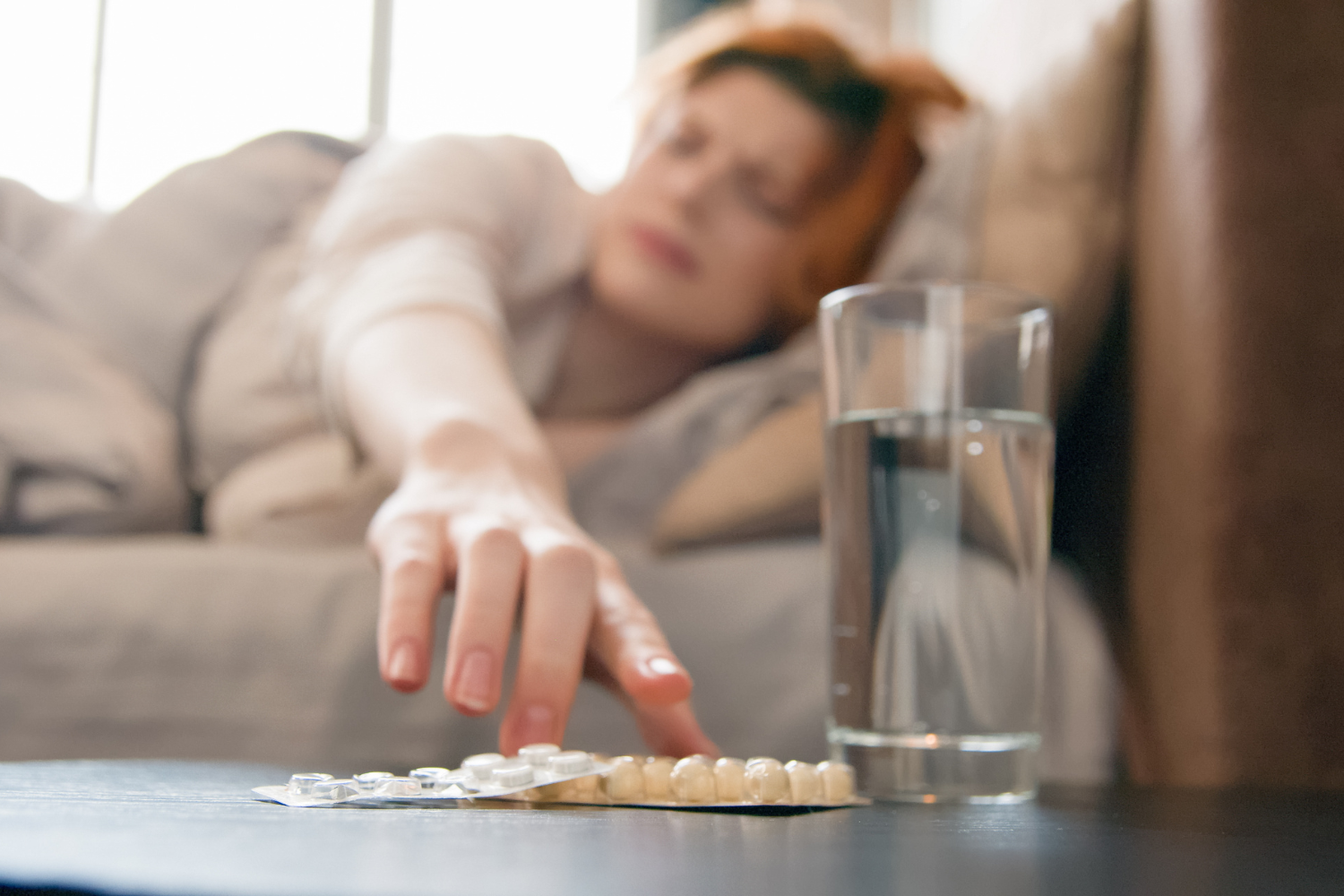
Spravato has changed the conversation around treatment-resistant depression by offering a faster-acting option when standard antidepressants have failed. Many patients who come to Lonerock Clinic feel a mix of hope and uncertainty: hope that symptoms may finally improve, and concern about the side effects and safety requirements that come with this medication.
Understanding what Spravato can do to the body and mind is essential before starting treatment.This in-depth guide explains spravato side effects, safety risks, monitoring requirements, and what patients typically experience before, during, and after treatment sessions.
By the end, you should feel more prepared to weigh benefits against risks and have informed conversations with your clinician.
Understanding Spravato and How It Works
Spravato is not a typical antidepressant pill taken daily at home. Its mechanism, delivery method, and safety controls all differ from conventional medications, which explains why side effects and monitoring are so central to treatment.
What Is Spravato?
Spravato is the brand name for esketamine, a nasal spray derived from ketamine. It is approved for adults with treatment-resistant depression and for major depressive disorder with acute suicidal ideation or behavior. Unlike oral antidepressants that work gradually on serotonin or norepinephrine systems, Spravato targets the brain’s glutamate pathways.
Because of its effects on consciousness, blood pressure, and perception, Spravato can only be administered in certified healthcare settings such as Lonerock Clinic. Patients self-administer the nasal spray under supervision and remain on site for observation.
Esketamine vs Ketamine
Ketamine contains two mirror-image molecules known as enantiomers. Esketamine is the S-enantiomer and is more potent at blocking NMDA receptors. This higher potency allowed developers to create a standardized intranasal product that could be studied, regulated, and approved for depression.
Both ketamine and esketamine can cause dissociation and sedation. The difference is that Spravato is FDA-approved, delivered under strict protocols, and monitored through a national safety program, while ketamine infusions are typically used off-label.
How Spravato Affects the Brain
Spravato blocks NMDA receptors on inhibitory neurons, which leads to increased glutamate release. This surge in glutamate activates AMPA receptors and triggers cellular pathways involved in synaptic plasticity, or the brain’s ability to form new connections.
These changes may explain why some patients notice mood improvement within hours or days rather than weeks. The same rapid shifts in brain signaling also explain many spravato side effects, especially dissociation, dizziness, and sedation during treatment sessions.
Approved Uses and Safety Oversight
Spravato’s benefits must always be considered alongside its safety framework.
Conditions Treated With Spravato
Spravato is approved for adults with treatment-resistant depression, typically defined as inadequate response to at least two different antidepressants. It is also approved for major depressive disorder with acute suicidal ideation or behavior, where rapid symptom relief may be critical.
In most cases, Spravato is used alongside an oral antidepressant rather than as a standalone treatment.
The Spravato REMS Program
Spravato is distributed only through a Risk Evaluation and Mitigation Strategy (REMS) program. This program exists to reduce risks related to sedation, dissociation, blood pressure changes, and misuse.
Clinics must be certified, patients must be enrolled, and every dose must be administered under supervision. Patients cannot take Spravato home, and they must remain in the clinic for observation until clinicians determine it is safe to leave. These safeguards exist not to restrict care, but to ensure that patients receive Spravato in the safest possible environment.
Common Spravato Side Effects
Most patients experience some short-term side effects during or shortly after dosing. These effects are usually expected, temporary, and closely monitored.
Dissociation and Perceptual Changes
One of the most talked-about spravato side effects is dissociation. Patients may feel detached from their body, thoughts, or surroundings. Time may feel distorted, and reality may seem dreamlike or unreal.
These effects usually begin within minutes of dosing and fade within a few hours. While dissociation can feel unsettling, clinic staff monitor patients closely to ensure safety and provide reassurance. Severe or prolonged dissociation is documented and may lead to dose adjustments or reconsideration of treatment.
Drowsiness, Sedation, and Fatigue
Sedation and drowsiness are common with Spravato. Many patients feel deeply relaxed or sleepy during observation. Alertness may remain reduced for several hours, which is why patients are not allowed to drive or operate machinery the same day.
At Lonerock Clinic, clinicians assess mental status before discharge to ensure patients are stable and oriented.
Dizziness and Headache
Dizziness, vertigo, and headache are frequently reported spravato side effects. Standing up too quickly may worsen lightheadedness, so patients are encouraged to remain seated or reclined during monitoring.
Headaches are typically mild to moderate and resolve within hours. Persistent or severe headaches require further evaluation.
Nausea and Gastrointestinal Symptoms
Nausea is common after Spravato dosing and may occasionally lead to vomiting. Dry mouth and altered taste are also reported. These symptoms usually resolve the same day, and anti-nausea medications can be given if needed.
Patients are often advised to avoid heavy meals before treatment to reduce gastrointestinal discomfort.
Nasal and Throat Irritation
Because Spravato is a nasal spray, local irritation can occur. Patients may notice nasal burning, dryness, congestion, or throat discomfort. These effects are usually mild and short-lived.
Persistent nasal pain, bleeding, or visual changes should be reported promptly.
Long-Term Risks of Spravato
While most spravato side effects are short-term, there are more serious risks that require careful screening and ongoing monitoring.
Blood Pressure and Cardiovascular Effects
Spravato commonly raises blood pressure, sometimes significantly. Systolic increases of 40 mmHg or more have been observed, with peaks occurring within the first few hours after dosing.
Patients with uncontrolled hypertension, recent heart attack, stroke, or certain vascular conditions face higher risk. Blood pressure is checked before dosing and repeatedly afterward. Severe or sustained elevations require immediate medical attention and may lead to discontinuation of treatment.
Respiratory Depression
Spravato can slow breathing, especially when combined with other sedating medications such as benzodiazepines or opioids. Respiratory depression is rare but potentially life-threatening if unrecognized.
Certified clinics are trained to monitor breathing and oxygen levels and to provide supportive care if needed.
Bladder and Urinary Symptoms
Ketamine-related bladder problems have been described in chronic or high-dose use, and similar concerns exist with long-term esketamine exposure. Symptoms may include urinary urgency, frequent urination, pain with urination, or blood in the urine.
Although uncommon in controlled clinical use, these symptoms should never be ignored. Early reporting allows clinicians to evaluate whether Spravato should be paused or stopped.
Cognitive and Psychological Effects
Spravato can cause confusion, anxiety, agitation, and perceptual disturbances during treatment. Rarely, patients experience worsening mood or suicidal thoughts, particularly those with complex psychiatric histories.
With repeated use, some patients report memory or concentration difficulties. At Lonerock Clinic, clinicians regularly reassess cognitive and emotional functioning to ensure benefits continue to outweigh risks.
Monitoring and Safety During Treatment
Strict monitoring is central to Spravato therapy and is designed to protect patients.
What Happens During a Spravato Session?
Before dosing, staff review medications, recent substance use, and baseline vital signs. After self-administering the nasal spray, patients remain under observation for at least two hours.
During this time, clinicians monitor blood pressure, level of consciousness, breathing, and psychological state. Patients are discharged only when symptoms have sufficiently resolved and safety criteria are met.
Aftercare and Restrictions
Patients must arrange transportation home and avoid driving, alcohol, and sedating medications for the rest of the day. Most people feel back to baseline by the next morning, though mild fatigue can persist.
Clear discharge instructions help patients recognize warning signs that require medical attention.
Drug Interactions and Contraindications
Spravato can interact with central nervous system depressants, increasing sedation and respiratory risk. Clinicians may adjust other medications to reduce overlap.
A history of uncontrolled cardiovascular disease, aneurysm, or active substance use disorder may make Spravato unsafe. Careful screening helps identify who is an appropriate candidate.
Weighing Benefits Against Risks
For many patients with severe or treatment-resistant depression, Spravato offers relief where other options have failed. Rapid symptom improvement can be life-changing, particularly for those with suicidal thoughts.
At the same time, spravato side effects and safety requirements mean treatment is not casual or risk-free. Success depends on careful patient selection, adherence to monitoring protocols, and open communication between patient and clinician.
Frequently Asked Questions About Spravato Side Effects
What are the most common spravato side effects?
The most common spravato side effects include dissociation, drowsiness, dizziness, nausea, headache, and temporary increases in blood pressure. These effects usually occur during or shortly after treatment and resolve within hours.
How long do Spravato side effects last?
Most acute side effects fade within one to two hours, though sedation and blood pressure changes can last longer. Clinics monitor patients for at least two hours after dosing to ensure safety.
Can Spravato cause long-term problems?
Long-term side effects are uncommon when Spravato is used as directed, but potential risks include bladder symptoms and cognitive changes with extended use. Ongoing monitoring helps detect issues early.
Is Spravato safe for people with anxiety or heart conditions?
Spravato can temporarily worsen anxiety and raise blood pressure. Patients with anxiety disorders or cardiovascular conditions require careful evaluation and may need additional monitoring or alternative treatments.
Making Informed Decisions About Spravato
Choosing Spravato treatment is a significant decision that should be grounded in clear information and professional guidance. Understanding spravato side effects, safety risks, and monitoring requirements allows patients to approach treatment with realistic expectations rather than fear or uncertainty.
At Lonerock Clinic, Spravato therapy is delivered within a structured, compassionate, and safety-focused environment. With proper screening, supervision, and follow-up, many patients find that the benefits outweigh the risks. The key is partnership: informed patients working closely with experienced clinicians to find the safest and most effective path toward relief.
Easy steps to create a color palette
Lorem ipsum dolor sit amet, consectetur adipiscing elit lobortis arcu enim urna adipiscing praesent velit viverra sit semper lorem eu cursus vel hendrerit elementum morbi curabitur etiam nibh justo, lorem aliquet donec sed sit mi dignissim at ante massa mattis.
- Neque sodales ut etiam sit amet nisl purus non tellus orci ac auctor
- Adipiscing elit ut aliquam purus sit amet viverra suspendisse potent
- Mauris commodo quis imperdiet massa tincidunt nunc pulvinar
- Excepteur sint occaecat cupidatat non proident sunt in culpa qui officia
What is a color palette?
Vitae congue eu consequat ac felis placerat vestibulum lectus mauris ultrices cursus sit amet dictum sit amet justo donec enim diam porttitor lacus luctus accumsan tortor posuere praesent tristique magna sit amet purus gravida quis blandit turpis.

Don’t overspend on growth marketing without good retention rates
At risus viverra adipiscing at in tellus integer feugiat nisl pretium fusce id velit ut tortor sagittis orci a scelerisque purus semper eget at lectus urna duis convallis porta nibh venenatis cras sed felis eget neque laoreet suspendisse interdum consectetur libero id faucibus nisl donec pretium vulputate sapien nec sagittis aliquam nunc lobortis mattis aliquam faucibus purus in.
- Neque sodales ut etiam sit amet nisl purus non tellus orci ac auctor
- Adipiscing elit ut aliquam purus sit amet viverra suspendisse potenti
- Mauris commodo quis imperdiet massa tincidunt nunc pulvinar
- Adipiscing elit ut aliquam purus sit amet viverra suspendisse potenti
What’s the ideal customer retention rate?
Nisi quis eleifend quam adipiscing vitae aliquet bibendum enim facilisis gravida neque euismod in pellentesque massa placerat volutpat lacus laoreet non curabitur gravida odio aenean sed adipiscing diam donec adipiscing tristique risus amet est placerat in egestas erat.
“Lorem ipsum dolor sit amet consectetur adipiscing elit, sed do eiusmod tempor incididunt ut labore et dolore magna aliqua enim ad minim veniam.”
Next steps to increase your customer retention
Eget lorem dolor sed viverra ipsum nunc aliquet bibendum felis donec et odio pellentesque diam volutpat commodo sed egestas aliquam sem fringilla ut morbi tincidunt augue interdum velit euismod eu tincidunt tortor aliquam nulla facilisi aenean sed adipiscing diam donec adipiscing ut lectus arcu bibendum at varius vel pharetra nibh venenatis cras sed felis eget.